Steel Detailing Services – Steel Detailing Company
Structural Design Services
7Solutions India provides structural design services for suitable steel, concrete and project-specific structural systems requiring coordinated member sizing, load-path development and engineering documentation.
Structural design can use analysis results, structural geometry, material properties, loading information, support conditions and project design criteria to develop appropriate members and structural systems.
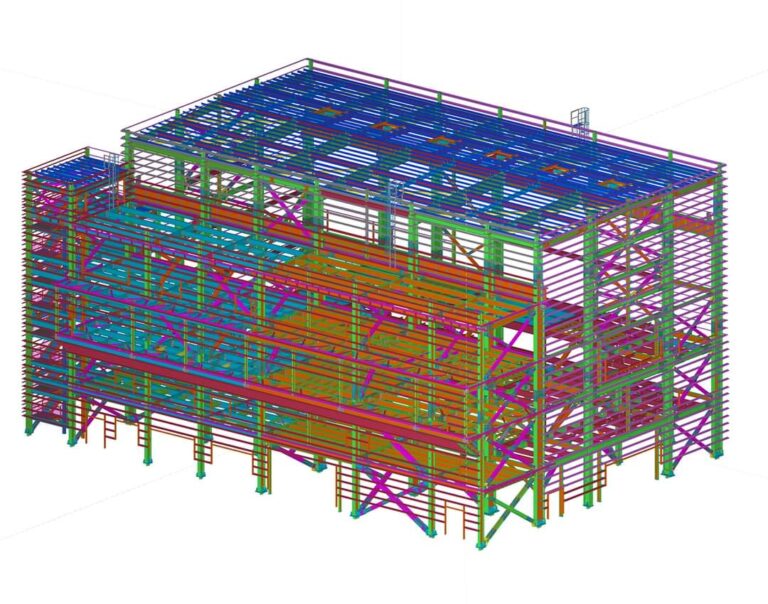
Develop Structural Members From Defined Engineering Demand
Structural design turns engineering requirements into practical structural members and systems capable of transferring the defined project loads through a coordinated load path.
Depending on the project, design work can involve beams, columns, bracing, frames, supporting structures and other structural elements.
Structural analysis remains a separate technical stage. For loads, reactions, internal forces and structural response, see Structural Analysis Services .
- Member sizing support
- Beam design
- Column design
- Bracing design
- Structural frame development
- Material-property coordination
- Connection-force coordination
- Engineering documentation
Member & System Design for Structural Projects
Design scope should match the structural system, engineering demand, material and project-specific requirements.
Beam Design
Suitable beam members developed from bending, shear, deflection and other relevant engineering demand.
Column Design
Columns developed from applicable axial forces, moments, geometry and stability considerations.
Bracing Design
Suitable bracing members developed around the required structural actions and framing arrangement.
Structural Frame Design
Coordinated framing systems developed from the project geometry, loading and structural behavior.
Support Structure Design
Suitable structural support frames developed for project-specific load and interface requirements.
Existing Structure Modifications
Existing systems can be reviewed for suitable modifications where sufficient structural information is available.
Member Selection
Suitable member sections developed from the structural demand and project criteria.
Connection Interface Forces
Member end forces and support conditions coordinated for downstream connection engineering where required.
Design Documentation
Structural member and system information organized for downstream drafting, detailing and project coordination.
Structural Steel Member & Frame Design
Steel structural design can involve beams, columns, braces and framed systems whose member sizes and relationships are developed from structural demand.
Design information can then feed downstream detailing and fabrication-documentation workflows.
For fabrication drawings, see Steel Shop Drawings Services .
- Steel beams
- Steel columns
- Bracing members
- Structural frames
- Support structures
- Member sections
- Connection interfaces
Concrete Member & Structural System Design Support
Suitable reinforced-concrete systems can require design of beams, columns, slabs, walls or foundations depending on the project scope.
Detailed reinforcement drawings remain within the Rebar Detailing Services cluster rather than being duplicated on this broad structural-design page.
- Concrete beams
- Concrete columns
- Slabs where included
- Structural walls where included
- Foundations where included
- Design geometry
- Reinforcement requirements for downstream detailing
Analysis Determines Demand; Design Develops the Structure
These topics should remain distinct so each service page has a clear technical and search intent.
Structural Analysis
Evaluates reactions, internal forces, stresses, deflections and structural response.
Structural Analysis →Structural Design
This page focuses on developing or verifying structural members and systems from the engineering demand.
Combined Design & Analysis
Projects requiring both stages within one engineering scope belong on the integrated service page.
Design & Analysis →Design Individual Members Within the Complete Structural System
This page owns broad structural design. Narrow member-specific topics should link down to their dedicated pages.
Column Design
Column-specific engineering involving axial force, bending, slenderness and support conditions.
Column Design →Connection Design
Connection engineering for suitable beam, column, brace and support interfaces.
Connection Design →Industrial Structural Design
Industrial frames, platforms and equipment-support systems belong on the narrower industrial page.
Industrial Structural Design →Develop Members as Part of a Connected Structural System
Structural design is not simply a collection of independent member checks. Beams, columns, braces, supports and foundations interact through the overall structural load path.
Member design should therefore remain coordinated with structural analysis, framing geometry and support conditions.
- Load transfer
- Member relationships
- Support conditions
- Frame geometry
- Member stiffness
- Connection interfaces
- Foundation reactions where relevant
Structural Design Support for Modifications & Changes
Existing structures may require design review when loads, framing arrangements or project use changes.
The available drawings, verified geometry, materials, support conditions and structural analysis information influence the reliability of any modification design.
- Existing structural drawings
- Verified geometry where available
- Material information
- Existing member sizes
- Changed loads
- Modified framing
- Support conditions
Organize Engineering Information for Downstream Delivery
Once structural members and systems are developed, the engineering information can be organized for coordination, drafting and detailing.
Detailed shop drawings and fabrication documentation remain separate downstream services.
- Structural member information
- Section and material references
- Design assumptions where required
- Interface forces where included
- Engineering drawings where included
- Downstream detailing inputs
- Revision information
Information Needed for Structural Design
Reliable structural design depends on coordinated structural geometry, loads, materials and support conditions.
Missing or conflicting inputs should be resolved before affected member or system design is treated as final.
- Structural analysis results
- Structural geometry
- Project loads
- Material properties
- Support conditions
- Project design criteria
- Architectural or equipment interfaces
- Approved revisions
From Engineering Demand to Coordinated Structural Design
Continue Your Structural Engineering Workflow
Common Questions About Structural Design Services
What are structural design services?
Structural design services develop or verify structural members and systems using engineering demand, geometry, materials, support conditions and project design criteria.
What structural members can be designed?
Depending on scope, design can involve suitable beams, columns, braces, frames, support structures and other project-specific structural members.
Is structural design the same as structural analysis?
No. Structural analysis evaluates the response and demand within the structure, while structural design uses that information to develop or verify structural members.
Can steel and concrete structures both be supported?
Suitable steel and concrete structural systems can be supported where the necessary engineering inputs and project requirements are available.
Can existing structures be reviewed for modifications?
Yes, where sufficient information about the existing geometry, materials, loading and support conditions is available.
What information is needed to start structural design?
Typical inputs include structural analysis results, project loads, geometry, material properties, support conditions, design criteria and current revisions.
Need Structural Design Support?
Send your structural loads, geometry, analysis information and project requirements to 7Solutions India for scope review.